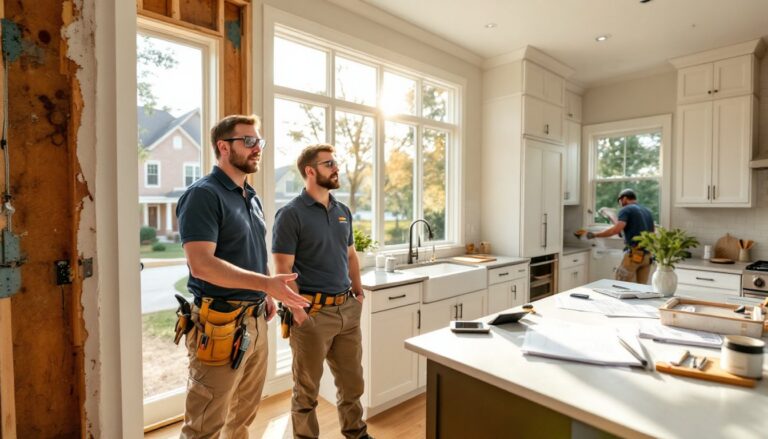
Salt Lake City’s housing market keeps climbing, and homeowners are choosing renovation over relocation. With construction costs moderating from their 2022 peak and interest rates still high, investing in a current property makes financial sense for many Utah families. But jumping into a remodel without understanding local conditions, from permit requirements to contractor availability, can turn a dream project into a headache. This guide walks through what Salt Lake City homeowners need to know before tearing out their first cabinet or signing a contract, including realistic budgets, project timelines, and how to navigate the city’s permitting process.
Table of Contents
ToggleKey Takeaways
- Home remodeling in Salt Lake City has become financially attractive as median home prices exceed $570,000, making renovation and staying put a smarter option than relocating for many homeowners.
- Kitchen and bathroom remodels dominate Salt Lake City projects, with mid-range kitchen overhauls costing $35,000–$65,000 and full bathroom renovations ranging from $18,000–$32,000 depending on scope and location.
- Labor and material costs in Salt Lake City run 8–12% above the national average; homeowners should budget 40–50% for labor, 30–35% for materials, and 10–15% contingency to account for older homes and regional market conditions.
- All structural, electrical, plumbing, and HVAC work requires city permits and inspections in Salt Lake City; skipping permits can result in red-tagged work during future sales and costly removal or repairs.
- Verify contractor credentials through Salt Lake City’s business portal, require proof of liability insurance ($1 million minimum) and workers’ comp, and always tie payment draws to completed work phases rather than paying upfront.
- Pre-purchase sewer line camera inspection is critical before committing to basement bathroom additions, particularly in older neighborhoods like Sugarhouse, where clay and cast-iron laterals may require expensive repair or replacement.
Why Salt Lake City Homeowners Are Investing in Remodeling
Salt Lake City’s median home price hit $570,000 in early 2026, making move-up buying prohibitively expensive for many established homeowners. Remodeling lets them stay in familiar neighborhoods, often near schools, workplaces, and community networks, while adding equity and functionality.
The region’s four-season climate drives specific upgrade priorities. Older homes built before modern insulation standards waste energy during both summer heat and winter cold. Upgrading to dual-pane windows, adding R-30 or higher attic insulation, and sealing air leaks can cut utility bills by 20-30% annually. These aren’t just comfort upgrades, they’re ROI plays that pay back over time.
Salt Lake City’s inventory of mid-century ranches and split-levels means many homes carry dated layouts: galley kitchens, single-bathroom configurations, and closed-off living spaces. Opening walls (where they’re not load-bearing), adding a second bathroom, or converting a basement increases both livability and resale value. Buyers in this market consistently pay premiums for updated kitchens and additional bathrooms.
Local contractors report backlogs have eased since 2023, but skilled trades still book 4-8 weeks out during peak season (March through October). Homeowners who locked in low mortgage rates before 2022 have strong incentive to improve rather than sell and refinance at today’s rates.
Most Popular Home Remodeling Projects in Salt Lake City
Kitchen Remodeling
Kitchen overhauls dominate Salt Lake City remodel requests. Most homeowners target one of two tiers: a mid-range refresh ($35,000–$65,000) or a full upscale renovation ($75,000–$120,000+).
Mid-range projects typically include:
- Cabinet refacing or replacement with plywood box construction and soft-close hardware
- Quartz countertops (engineered stone handles Utah’s dry climate better than natural stone, which can crack with temperature swings)
- Stainless appliances (gas ranges remain popular: most SLC homes have natural gas service)
- Tile backsplash (ceramic subway tile or larger-format porcelain)
- Luxury vinyl plank (LVP) or engineered hardwood flooring
Upscale kitchens add custom cabinetry to the ceiling (making use of high ceilings in newer builds), 6-8 inch quartz or quartzite slabs, paneled appliances, and often a butler’s pantry or coffee bar. Homeowners with design inspiration from platforms like Houzz should budget an extra 15-20% for custom details that deviate from standard cabinet and countertop dimensions.
Structural considerations: Removing a wall between kitchen and living room requires an engineer’s stamp if it’s load-bearing. Expect $1,200–$2,500 for engineering plans and $3,000–$8,000 for the beam and labor, depending on span. Salt Lake City requires permits for any work affecting structure, plumbing, or electrical.
Bathroom Renovations
Bathroom remodels split between primary suite upgrades and basement bathroom additions. A 5×8 full bathroom remodel typically runs $18,000–$32,000, covering:
- Tub-to-shower conversion (curbless or low-threshold designs are trending for aging-in-place)
- 12×24 inch porcelain tile on floors and shower walls
- Floating vanity with undermount sink and quartz top
- Upgraded fixtures (Moen, Delta, or Kohler mid-tier lines)
- Ventilation fan (required by IRC for bathrooms without operable windows: must vent to exterior, not attic)
Basement bathroom additions cost more, $25,000–$45,000, because they often require breaking concrete to tie into existing sewer lines. If the main sewer line sits above the basement floor, you’ll need an ejector pump system ($1,800–$3,200 installed). Salt Lake City’s older neighborhoods (Sugarhouse, Avenues) have clay or cast-iron sewer laterals that may need inspection or replacement during this work.
Pro tip: Schedule a camera inspection of your sewer line before committing to a basement bath. If the lateral is failing, repair it during the remodel while the concrete’s already broken.
Planning Your Salt Lake City Home Remodel: Budget and Timeline
Realistic budgeting starts with understanding Salt Lake City’s labor and material costs, which track 8-12% above the national average due to regional demand and transportation.
Material costs (2026 estimates):
- Framing lumber (2×4 studs, actual dimensions 1.5″ x 3.5″): $4.50–$6 per stud
- Drywall (1/2″ sheets): $14–$18 per sheet
- Paint (premium interior, Sherwin-Williams or Benjamin Moore): $65–$80/gallon (covers ~400 sq ft per coat)
- Quartz countertops: $65–$95 per square foot installed
- LVP flooring: $3.50–$7 per square foot installed
Labor rates: General contractors charge $85–$140/hour: licensed electricians run $95–$150/hour: plumbers $110–$160/hour. Tile setters typically bid by the square foot ($8–$15/sq ft depending on pattern complexity).
Budget allocations for a typical project:
- Labor: 40-50%
- Materials: 30-35%
- Permits and fees: 3-5%
- Contingency: 10-15% (non-negotiable for older homes)
Homeowners exploring renovation cost guides should adjust national averages upward for Salt Lake City’s market conditions.
Timelines vary by scope:
- Kitchen remodel: 6-10 weeks (including cabinet lead time)
- Bathroom renovation: 3-5 weeks
- Basement finish: 8-14 weeks (longer if adding egress windows, required for bedrooms per IRC)
- Whole-home projects: 4-6 months
Weather impacts outdoor work and material delivery. Snow and freeze-thaw cycles from November through March can delay foundation work, roofing, and exterior painting. Plan structural projects for April through October when concrete curing and lumber acclimation aren’t complicated by temperature swings.
Choosing the Right Remodeling Contractor in Salt Lake City
Utah doesn’t require state-level licensing for general contractors, but Salt Lake City mandates business licenses and trade-specific licenses for electrical, plumbing, and HVAC work. Verify these before signing anything.
Vetting checklist:
- Current business license (verify through Salt Lake City’s business portal)
- General liability insurance (minimum $1 million coverage)
- Workers’ comp insurance (required if they employ anyone)
- References from projects completed in the last 18 months (call them: ask about communication, timeline, and how problems were handled)
- Written estimates that itemize labor, materials, and permits separately
Ask for a detailed scope of work before signing. It should specify materials by brand and model (“Kohler Memoirs toilet, model K-6669” not “standard toilet”), paint by brand and sheen, and lumber grades. Vague specs lead to disputes when the installed product doesn’t match expectations.
Red flags:
- Requests for large upfront payments (standard is 10-20% deposit, then progress payments tied to milestones)
- No physical business address (P.O. boxes don’t count)
- Pressure to skip permits (“We can save you time and money…”)
- Reluctance to provide proof of insurance
For smaller projects under $5,000, many homeowners use contractor matching services as a starting point, but always independently verify credentials. Don’t rely solely on platform vetting.
Payment structure: Tie draws to completed work phases, 30% after demo and framing inspection, 40% after drywall and rough-in inspections, 25% after substantial completion, and final 5% after punch list and final inspection. Never pay in full before the work passes inspection.
Navigating Permits and Regulations for Salt Lake City Renovations
Salt Lake City enforces the 2021 International Residential Code (IRC) and 2020 National Electrical Code (NEC) with local amendments. Permits aren’t optional for structural, electrical, plumbing, or mechanical work, and inspectors can red-tag unpermitted work during a future sale.
Projects requiring permits:
- Structural changes (removing/altering walls, adding beams, cutting joists)
- Electrical work (new circuits, panel upgrades, relocated outlets)
- Plumbing (new fixtures, moving supply or drain lines, water heater replacement)
- HVAC (new furnace, A/C, ductwork modifications)
- Egress windows (required for basement bedrooms: minimum 5.7 sq ft opening, 24″ high, 20″ wide)
- Decks and pergolas (if attached to the house or over a certain height)
Projects typically NOT requiring permits:
- Painting, flooring, cabinets (cosmetic work)
- Countertops (unless plumbing is relocated)
- Minor repairs (patching drywall, replacing like-for-like fixtures)
Permit costs in Salt Lake City run $75–$300 depending on project valuation, plus plan review fees for structural work. Submit applications through the city’s online portal: approval takes 2-5 business days for simple projects, 2-3 weeks for complex ones requiring engineering.
Inspection sequence for a typical bathroom remodel:
- Framing/structural inspection (before closing walls)
- Rough-in inspection (plumbing and electrical in place, not covered)
- Insulation inspection (if exterior walls are involved)
- Final inspection (after all finish work)
Skipping rough-in inspection is the most common DIY mistake. Once drywall’s up, inspectors can require destructive access to verify code compliance.
HOA considerations: Many Salt Lake City neighborhoods have homeowners associations with architectural review committees. Submit plans before pulling permits, HOAs can force removal of completed work that violates covenants, even if the city approved it.
Safety note: If your home was built before 1978, federal law requires lead-safe practices during renovation. Hire EPA-certified renovators for any work disturbing paint (sanding, demo, window replacement). Utah also requires asbestos inspection before demolition in homes built before 1981. Budget $400–$800 for testing if your home falls in this range.