Denver’s housing market remains red-hot, and homeowners are choosing to remodel rather than relocate. With the metro area’s mix of mid-century ranches, Victorian-era townhomes, and newer construction, renovation projects range from simple cosmetic updates to full-scale gut jobs. Denver’s unique climate, high altitude, intense UV exposure, freeze-thaw cycles, also demands specific material choices and building techniques that differ from lower-elevation cities. Whether a homeowner is adding livable square footage in an unfinished basement or modernizing a dated kitchen, understanding local permit rules, budget realities, and project priorities helps avoid costly missteps and keeps timelines on track.
Table of Contents
ToggleKey Takeaways
- Denver homeowners are choosing home remodeling projects over relocating due to rising median home prices near $600,000 and equity-building opportunities through renovations.
- Kitchen renovations remain the most popular home remodeling project in Denver, ranging from $15,000 to $50,000+ depending on whether you choose cosmetic updates or full gut-and-rebuild designs.
- Basement finishing is a cost-effective way to add 1,000 square feet of living space for $30,000 to $75,000, but requires egress windows and proper moisture control to meet Denver building codes.
- Denver’s unique high-altitude climate with freeze-thaw cycles demands specific material choices and building techniques that differ from lower-elevation cities, including proper HVAC sizing and vapor barriers.
- Most structural, electrical, plumbing, and mechanical work in Denver requires city permits—skipping permits creates issues during home sales—and labor costs run 10 to 20 percent higher than the national average.
- Plan for 15 to 20 percent budget contingencies in your home remodeling project to cover unexpected issues like rotted framing, outdated wiring, or lead paint abatement in homes built before 1978.
Why Denver Homeowners Are Investing in Remodeling Projects
Denver’s median home price hovers near $600,000 as of early 2026, making move-up buying less attractive than improving existing homes. Equity growth over the past five years has given many homeowners the financial cushion to fund major renovations without overleveraging.
Interest rates on home equity lines of credit (HELOCs) remain competitive compared to cash-out refinancing, especially for owners who locked in low mortgage rates between 2020 and 2022. Tapping equity for a kitchen or bathroom remodel often beats the transaction costs and higher rates of buying a new property.
The city’s aging housing stock also drives demand. Neighborhoods like Park Hill, Wash Park, and Congress Park contain homes built in the 1950s through 1970s, many with original kitchens, single-pane windows, and outdated electrical panels. Updating these systems improves comfort, energy efficiency, and resale value.
Remote and hybrid work arrangements persist across the metro area, so homeowners prioritize functional space improvements, home offices, mudrooms, and secondary living areas. Basement finishing projects surged in 2024 and continue into 2026 as families seek extra bedrooms, gyms, or media rooms without the cost of an addition.
Most Popular Home Remodeling Projects in Denver
Kitchen Renovations
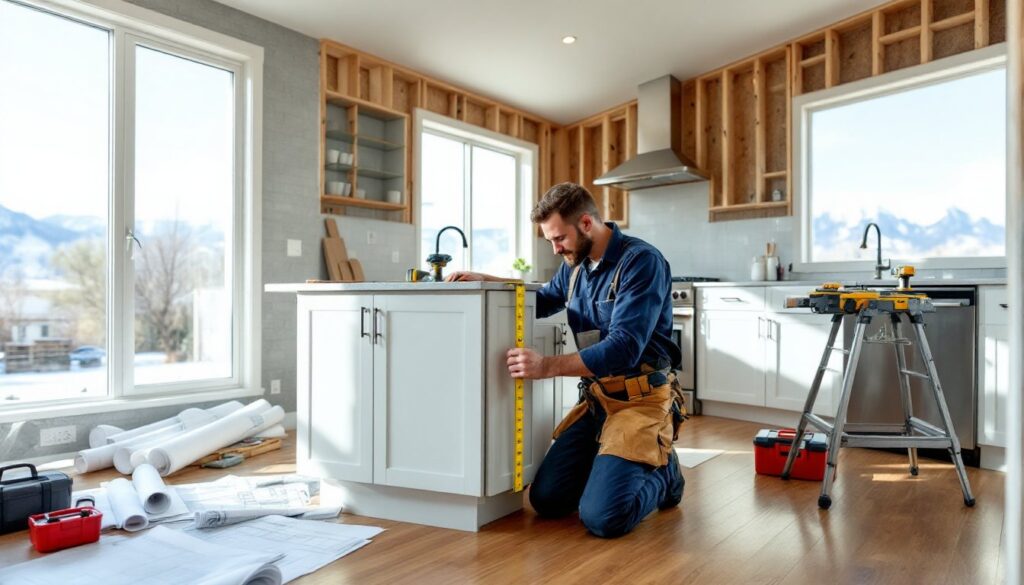
Kitchen remodels remain the top request for Denver contractors, and budgets range widely. A cosmetic refresh, new cabinet doors, countertops, backsplash, and appliances, runs $15,000 to $30,000, while a full gut-and-rebuild with layout changes, new plumbing, and custom cabinetry climbs to $50,000 or more.
Cabinet refacing works well if the existing boxes are solid, but full replacement makes sense for outdated layouts with limited storage. Frameless European-style cabinets maximize interior space, a plus in Denver’s smaller bungalows and ranches.
Countertop choices reflect both style and durability. Quartz dominates mid-to-high-end remodels due to its nonporous surface and low maintenance, though natural stone and butcher block still appear in custom kitchens. Standard countertop thickness is 3 cm (about 1.2 inches), and most fabricators price by the square foot plus edge detail.
Lighting upgrades matter. Many older Denver kitchens rely on a single overhead fixture. Adding under-cabinet LED strips (typically 12V or 24V systems) and recessed cans improves task lighting and modernizes the space. Check for compatibility with dimmer switches if planning to adjust brightness.
Bathroom Upgrades
Bathroom projects split into two camps: half-bath powder rooms and full primary-suite overhauls. Powder rooms cost $5,000 to $12,000 and focus on vanity replacement, new flooring, updated fixtures, and paint. Full bathroom remodels, especially those involving shower or tub demo, range from $18,000 to $40,000 depending on tile choice, custom glass, and plumbing relocation.
Denver’s hard water means homeowners should consider water-softening systems or at minimum, easy-clean fixtures. Frameless glass shower enclosures look sharp but show mineral buildup fast without regular squeegee use.
Tile selection affects both cost and labor time. Large-format porcelain tiles (12″ × 24″ or bigger) install faster and create fewer grout lines, reducing maintenance. Smaller mosaics and natural stone require more skilled labor and sealing. For floors, slip-resistant finishes (textured or matte porcelain) prevent accidents, especially in households with kids or older adults.
Ventilation codes require an exhaust fan rated for the room’s cubic footage, typically 50 to 110 CFM (cubic feet per minute) for standard bathrooms. Undersized fans lead to mold and moisture damage, a real risk in Denver’s dry climate where homeowners sometimes underestimate humidity from showers.
Basement Finishing
Basement projects add significant living space without altering the home’s footprint, a key advantage in neighborhoods with strict setback and lot-coverage rules. Unfinished basements in Denver homes often include poured concrete walls, exposed floor joists, and basic utility hookups, ideal starting points for conversion.
A typical basement finish costs $30 to $75 per square foot, depending on finishes, bathroom additions, and egress window installation. That puts a 1,000-square-foot basement in the $30,000 to $75,000 range, though DIY-savvy homeowners can reduce costs by handling framing, drywall, and painting themselves.
Egress windows are non-negotiable if creating a bedroom or habitable space below grade. The International Residential Code (IRC) requires a minimum net clear opening of 5.7 square feet, with a sill height no higher than 44 inches above the floor. Most Denver homes need a window well with proper drainage to meet code. Homeowners using platforms like HomeAdvisor can compare local contractors experienced in egress installation.
Moisture control remains critical. Install a vapor barrier (6-mil polyethylene sheeting) over concrete walls before framing, and use pressure-treated bottom plates for stud walls. Dehumidifiers help, but proper grading and functioning gutters outside prevent most basement moisture issues.
Electrical and HVAC rough-ins must meet code before drywall goes up. Denver’s climate demands adequate heating in basements, whether through extended ductwork or supplemental electric baseboard heaters. Underpowered HVAC systems leave basements cold in winter and muggy in summer.
Understanding Denver’s Permit Requirements and Building Codes
Denver requires permits for most structural, electrical, plumbing, and mechanical work. Cosmetic projects, painting, flooring, cabinet replacement without plumbing changes, typically don’t need permits. Anything involving framing, load-bearing walls, new circuits, or gas lines does.
The city follows the 2021 International Residential Code (IRC) with local amendments, and the 2020 National Electrical Code (NEC). Homeowners planning DIY electrical work should know that Denver allows owner-occupants to pull permits for their primary residence, but all work gets inspected.
Common permit triggers include:
- Removing or altering walls (especially load-bearing studs or joists)
- Adding or relocating plumbing fixtures
- New electrical circuits or panel upgrades
- HVAC system replacement or ductwork modifications
- Structural changes like window or door enlargements
- Basement finishes creating habitable rooms
Permit fees vary by project scope. A simple electrical permit might run $50 to $100, while a full basement finish with plumbing and egress work costs $300 to $800 in fees. Plan review times range from a few days for minor permits to several weeks for complex remodels.
Inspection sequence matters. Framing and rough-in inspections happen before drywall, so scheduling delays can stall a project. Final inspections occur after all finish work, and the city won’t issue a certificate of occupancy for habitable space until passing.
Homeowners unsure whether a project needs a permit should call Denver’s Community Planning and Development (CPD) department or consult resources like Angi for contractor advice. Skipping required permits creates headaches during home sales when title companies flag unpermitted work.
Budgeting for Your Denver Home Remodel
Remodeling costs in Denver run 10 to 20 percent higher than the national average due to labor rates, material freight, and permit fees. A mid-range kitchen that costs $40,000 in Omaha or Kansas City often hits $48,000 to $55,000 here.
Labor makes up 40 to 60 percent of most remodel budgets. Licensed electricians charge $75 to $125 per hour, plumbers $90 to $150, and general carpenters $50 to $90. Specialized trades, tile setters, custom cabinet installers, command premium rates, especially for tight timelines.
Material costs fluctuate with lumber prices, supply chain issues, and seasonal demand. Always order 10 percent extra for tile, flooring, and trim to account for cuts, waste, and future repairs. Big-box stores offer contractor discounts, but local suppliers sometimes stock better grades of hardwood, tile, and specialty products.
Financing options include:
- Home equity lines of credit (HELOCs): Variable rates, interest-only payments during the draw period, and flexibility to borrow as needed.
- Cash-out refinancing: Replaces the existing mortgage with a larger loan, rolling remodel costs into a single monthly payment. Makes sense if current mortgage rates are competitive.
- Personal loans: Unsecured loans with fixed rates, faster approval, and no home equity requirement, but typically higher interest than HELOCs.
Homeowners should pad budgets by 15 to 20 percent for contingencies. Surprise issues, rotted framing, outdated wiring, or code violations discovered during demo, add unplanned costs. Projects that open walls in homes built before 1978 may uncover lead paint, requiring certified abatement and disposal.
Cost-tracking tools and contractor comparison platforms help estimate expenses and vet bids. Get at least three written quotes for any project over $10,000, and verify licenses, insurance, and references before signing contracts.
DIY vs. hiring pros depends on skill level and project complexity. Homeowners comfortable with framing, drywall, and finish carpentry can save thousands on labor-intensive but non-technical tasks. Electrical, plumbing, and structural work should involve licensed professionals, both for safety and to satisfy permit requirements. Hire help for tasks requiring two people, such as hanging drywall sheets (a standard 4′ × 8′ sheet of ½” drywall weighs about 50 pounds) or lifting cabinets.