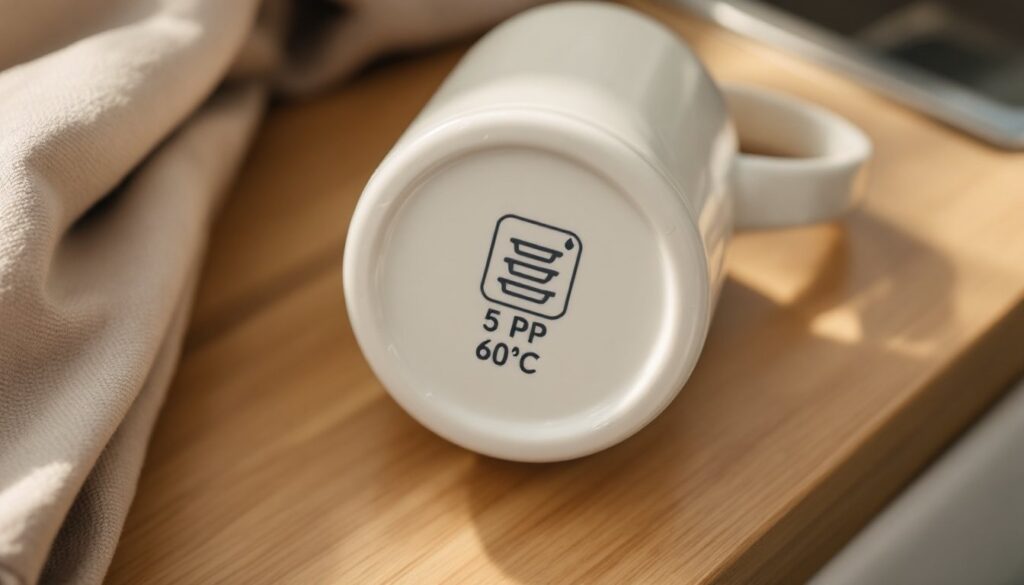
Ever pulled a favorite mug from the dishwasher only to find the design melted off or the plastic warped beyond recognition? Those cryptic little icons stamped on the bottom of your dishes aren’t just decoration, they’re your guide to keeping kitchenware intact through hundreds of wash cycles. Dishwasher safe symbols tell you exactly how a piece should be cleaned, whether it can handle high heat, and which rack it belongs on. Learning to read these marks takes about five minutes and can save you from ruining cookware, storage containers, and serving pieces. This guide breaks down every common dishwasher symbol you’ll encounter, so you can load with confidence.
Table of Contents
ToggleKey Takeaways
- Dishwasher safe symbols communicate critical care information about heat tolerance, water pressure compatibility, and proper rack placement to protect your kitchenware.
- The standard dishwasher safe symbol shows a dish or glass with water droplets and confirms the item can handle 120°F to 150°F water temperatures and alkaline detergents.
- Top-rack-only labels are essential for plastics and delicate glassware because the bottom rack sits near the heating element and can exceed standard temperatures by 20°F to 30°F.
- Always hand-wash wood, cast iron, crystal, non-stick cookware with damaged coatings, and insulated drinkware with vacuum seals, as these materials will corrode, warp, or lose finish in the dishwasher.
- Temperature numbers (50°C, 60°C, 70°C) on dishwasher symbols indicate maximum safe heat limits for plastics and silicone; ignoring these can cause warping on sanitize or heavy-duty cycles.
- When dishwasher safe symbols are missing or worn off, default to hand-washing—a test cycle on an inexpensive piece can help confirm if unlabeled items are actually machine-safe.
What Do Dishwasher Safe Symbols Mean?
Dishwasher safe symbols are standardized icons that manufacturers stamp, etch, or print on kitchenware to communicate how the item holds up under machine washing conditions. These symbols address three main factors: whether the item can withstand the heat and water pressure inside a dishwasher, whether it needs special placement to avoid damage, and what temperature range it tolerates.
Unlike the detailed laundry care symbols found on clothing, dishwasher icons aren’t governed by a single international standard. The International Organization for Standardization (ISO) provides guidelines, but manufacturers have some flexibility in design. That means you’ll see variations, some use simple line drawings, others add text, and a few opt for numbers indicating maximum temperature in degrees Celsius.
The core message stays consistent: a dish icon with water droplets or spray lines generally means dishwasher safe, while a crossed-out version signals hand-wash only. Symbols often appear alongside recycling codes or material identifiers (like PP for polypropylene or PET for polyethylene terephthalate), which give clues about heat tolerance. Polypropylene, for instance, handles dishwasher heat better than polystyrene, which can warp at temperatures above 160°F.
When a symbol is absent, err on the side of caution. Hand-wash items made from wood, cast iron, copper, pewter, non-stick cookware with damaged coatings, and anything with delicate hand-painted or metallic finishes. These materials either absorb moisture, corrode, or lose their finish under prolonged exposure to detergent and heat.
The Standard Dishwasher Safe Symbol
The most common dishwasher safe symbol features a simplified outline of a dishwasher rack or a square box with plates or glasses inside, overlaid with water droplets or spray lines. You might also see a plate or glass under a stream of water, or simply the word “dishwasher safe” in small print.
This symbol confirms that the item can handle a full dishwasher cycle, 120°F to 150°F water temperature, high-pressure spray, and exposure to alkaline detergents. It’s typically found on ceramic dinnerware, tempered glassware, stainless steel utensils, and rigid plastics labeled with recycling codes #2 (HDPE) or #5 (PP).
If you see a number inside the symbol, often 55°C, 60°C, or 70°C, that’s the maximum safe temperature in Celsius (roughly 131°F, 140°F, or 158°F). European manufacturers use this notation more frequently. A piece rated for 55°C may survive a normal cycle but could warp on sanitize or heavy-duty settings, which can reach 160°F or higher.
Some manufacturers add text below the icon: “top rack only” or “no heated dry.” Follow those modifiers. A tumbler marked dishwasher safe without qualification can go anywhere in the machine, but one with added instructions requires specific handling to avoid damage. When in doubt, consult the product packaging or the manufacturer’s website for clarification.
Top Rack Only: Understanding the Placement Symbol
The top rack symbol is a dishwasher icon with an arrow pointing upward, or a rack illustration with the top shelf highlighted. This marking appears most often on plastic containers, insulated tumblers, delicate glassware, and smaller kitchen tools and gadgets.
Why does placement matter? The bottom rack sits directly above the heating element in most dishwashers, exposing items to more intense heat, sometimes 20°F to 30°F hotter than the top rack. Plastics that tolerate standard cycle temps can warp, sag, or release shape memory when subjected to that extra heat. BPA-free polypropylene lids, silicone baking molds, and acrylic drinkware all fall into this category.
Top-rack placement also reduces mechanical stress. The spray arm underneath the lower rack delivers stronger water pressure, which can flip lightweight items, knock them into the heating element, or send them tumbling into the filter. Placing delicate pieces on the top rack keeps them stable and farther from aggressive spray.
If you have a third rack (common on newer models), it’s even gentler, designed for flatware, spatulas, and small bowls. Items marked top-rack-only can usually go there, but check clearance if you’re loading tall cups or narrow jars. The third rack often sits close to the top spray arm, so oversized pieces can block water flow and leave everything poorly rinsed.
Not Dishwasher Safe: Symbols to Watch Out For
The not dishwasher safe symbol typically shows a dishwasher icon with an X or diagonal line through it, or a hand hovering over a basin of water, the universal hand-wash-only sign. If you see either, keep the item out of the machine entirely.
Common materials that carry this marking include:
- Wood: Cutting boards, utensils, and bowls absorb water and detergent, causing warping, splitting, and finish degradation.
- Cast iron: Dishwasher detergent strips seasoning and promotes rust. Hand-wash with minimal soap and re-oil after drying.
- Nonstick cookware: High heat and harsh detergent break down PTFE or ceramic coatings, reducing nonstick performance.
- Crystal and fine china: Lead crystal can etch or cloud: delicate china with metallic trim or hand-painted details will fade or flake.
- Insulated drinkware with vacuum seals: If water seeps between the double wall, it can cause odor, mold, or loss of insulation.
- Aluminum and anodized aluminum: Alkaline detergents cause pitting and discoloration. Some hard-anodized pieces are dishwasher safe, but check the label.
When a symbol is unclear, maybe worn off or printed too small, test a less critical piece first, or default to hand-washing. A single cycle won’t usually ruin an item outright, but repeated exposure accelerates damage. If you’re inheriting vintage or imported kitchenware, research the manufacturer’s care guidelines online. Symbols have evolved over decades, and older pieces may lack markings altogether.
Temperature and Material-Specific Dishwasher Symbols
Some symbols specify a maximum temperature, shown as a number inside the dishwasher icon or printed alongside it. You’ll see this on plastics, silicone bakeware, and food storage containers where material heat tolerance varies.
Common temperature markings:
- 50°C (122°F): Low-end plastics, disposable or single-use items. Avoid heated dry.
- 60°C (140°F): Standard for most polypropylene containers and lids. Safe for normal and light cycles.
- 70°C (158°F): Heat-resistant plastics and silicone. Can handle sanitize cycles on most machines.
- 90°C (194°F): Rare, typically reserved for commercial-grade or laboratory plastics. Residential dishwashers rarely exceed 160°F, but commercial machines can hit 180°F or higher.
Silicone bakeware and utensils often show a broad temperature range, -40°F to 450°F for oven use, but dishwasher symbols focus on wet-heat exposure. Even heat-resistant silicone can trap odors or stains if washed with heavily soiled pots, so load it away from greasy items.
Glass and ceramic rarely show temperature limits because they tolerate high heat well. The exception is tempered glass, which can shatter if exposed to sudden temperature swings (thermal shock). Let hot bakeware cool to room temperature before loading, and avoid running cold rinse cycles immediately after a hot wash.
Stainless steel has no practical temperature ceiling in residential dishwashers, but some manufacturers still recommend hand-washing knives to preserve edge sharpness. The issue isn’t heat, it’s the tumbling and contact with other items that can dull or chip the blade.
How to Find Dishwasher Symbols on Your Kitchenware
Dishwasher safe symbols usually appear on the underside of plates, bowls, and mugs, stamped into the base or printed alongside the manufacturer’s logo. On drinking glasses and tumblers, check the bottom or the inner base. For plastic storage containers, symbols are often molded into the bottom center or printed on the lid’s underside near the recycling code.
Utensils and flatware may have symbols etched into the handle or printed on the packaging. If you’ve discarded the original box, search the manufacturer’s website using the model number or product name. Many companies publish care instructions and symbol glossaries in downloadable PDFs.
Smaller items, measuring cups, spatulas, jar lids, sometimes skip symbols entirely due to limited space. In those cases, look for material callouts: BPA-free polypropylene and food-grade silicone are generally dishwasher safe, while polystyrene (PS, #6) and PVC (#3) are not.
If a symbol has worn off over time, cross-reference with similar products from the same manufacturer. Brands typically use consistent materials and care guidelines across product lines. For vintage or heirloom pieces, check collector forums or contact the manufacturer directly. Some companies maintain archives of discontinued items and can confirm care instructions based on pattern names or date codes.
When you can’t locate any marking, assume hand-wash only. It’s the safest default, especially for items with sentimental or monetary value. Run a test cycle on a single inexpensive or replaceable piece before committing a full set.
Conclusion
Dishwasher symbols aren’t complicated once you know what to look for, a few basic icons tell you everything about heat tolerance, rack placement, and whether the machine will wreck your favorite bowl. Check the bottom of each piece before the first wash, follow temperature limits on plastics, and keep top-rack-only items away from the heating element. When symbols are missing or unclear, hand-wash until you confirm the material. A little attention up front keeps your kitchen gear intact through years of cycles.