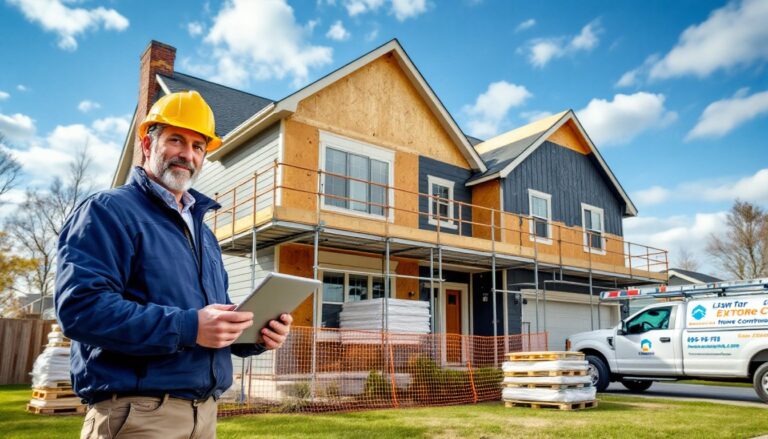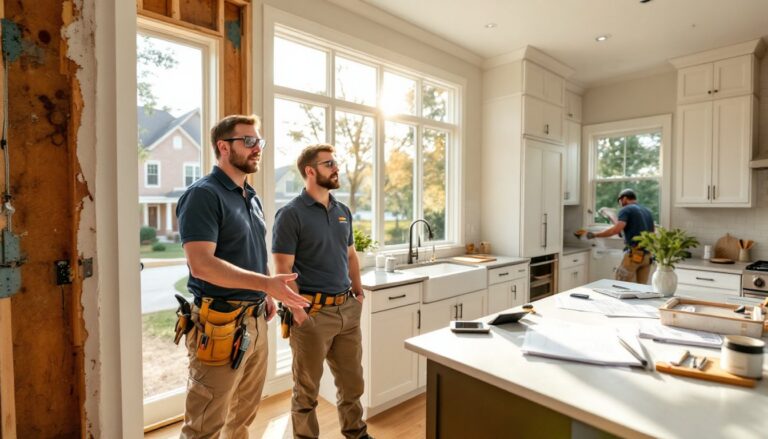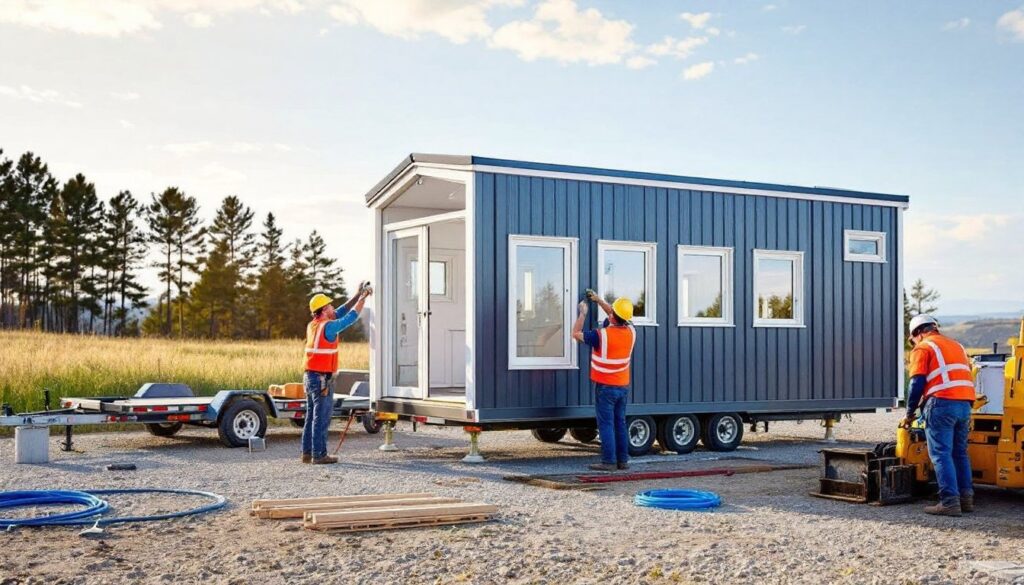
Foldable tiny homes are flipping the script on traditional housing construction. These engineered units ship flat, expand on-site in hours, and deliver livable square footage without pouring a foundation or framing walls stick by stick. They’re not campers, not RVs, and not standard prefab modules, they’re purpose-built structures that fold and unfold using hinged panels, telescoping walls, or accordion frameworks. For anyone priced out of conventional homebuilding, facing zoning restrictions on permanent structures, or needing emergency housing that deploys fast, foldable tiny homes offer a practical middle ground between a travel trailer and a site-built cottage.
Table of Contents
ToggleKey Takeaways
- Foldable tiny homes cost $30,000 to $80,000 turnkey—40–60% less than site-built homes—and deploy in 4–8 hours using hinged panels and mechanical systems.
- These factory-built dwellings ship flat on a single flatbed truck, avoid expensive foundation work ($1,500–$3,000 vs. $8,000–$15,000 for traditional builds), and are subject to local building codes despite being portable.
- Popular foldable tiny home models like Brette Haus (172 sq ft, $45,000), Boxabl Casita (375 sq ft, $60,000–$70,000), and ZenCabin (400 sq ft, $80,000+) offer flexibility for ADUs, seasonal housing, and disaster relief.
- A foldable tiny home requires a level foundation pad, helical piers or timber skids, and standard utility connections identical to RVs, plus electrical and plumbing permits that typically take 4–8 weeks.
- Maximize foldable tiny home living spaces with vertical storage, multi-function furniture (Murphy beds, fold-down tables), light neutral paint, built-in cabinetry, and luxury vinyl plank flooring for durability.
- Zoning flexibility allows foldable units in some jurisdictions where permanent additions violate setback rules, but relocation costs $2–$5 per mile plus labor—making them less mobile than RVs despite their collapsible design.
What Is a Foldable Tiny Home?
A foldable tiny home is a factory-built dwelling designed to collapse into a compact shipping profile, then expand into full living quarters on arrival. Unlike traditional modular homes, which ship as rigid boxes on flatbeds, foldable units use mechanical hinges, hydraulic lifts, or manual cranks to unfold walls, roofs, and floor sections.
Most designs measure 8 to 10 feet wide when folded (to meet highway transport limits without special permits) and expand to 16 to 24 feet wide when deployed. Floor plans typically range from 200 to 400 square feet, though some luxury models push 600 square feet when fully opened.
Construction materials vary. Budget models use steel frames with SIPs (structural insulated panels) for walls and roofs. Mid-range units incorporate laminated veneer lumber (LVL) for load-bearing members and fiberglass or mineral wool insulation rated to R-13 or higher. High-end versions feature cross-laminated timber (CLT) panels and triple-pane windows.
Utilities connect the same way as a travel trailer or park model RV: shore power via 50-amp service, municipal water hookup or potable tank, and either sewer connection or composting toilet systems. Some units arrive prewired to NEC standards with 120/240V split-phase panels, while others require an electrician to bring them up to code for permanent occupancy.
Key distinction: foldable homes are not classified as RVs in most jurisdictions. They don’t have axles, VINs, or RVIA certification. That means they’re subject to local building codes, zoning ordinances, and often require foundation anchoring (helical piers, concrete pads, or timber skids) even if they’re technically portable.
Benefits of Choosing a Foldable Tiny Home
Affordability and Cost Savings
Foldable tiny homes typically run $30,000 to $80,000 turnkey, depending on size, finishes, and manufacturer. That’s 40–60% less than equivalent square footage in a site-built home and competitive with park model RVs that lack the same structural robustness.
Factory construction cuts labor waste. Manufacturers buy materials in bulk, prefab components in controlled environments, and eliminate weather delays. You’re not paying a framing crew, a separate HVAC installer, and a finish carpenter working sequential schedules. Everything, walls, electrical, plumbing, cabinetry, happens under one roof, then ships as a finished product.
Foundation costs stay minimal. Instead of pouring a frost-footing perimeter and slab (which can run $8,000–$15,000 for a 400-square-foot footprint), most foldable homes sit on adjustable steel piers or pressure-treated 6×6 timber skids. Total material and labor for a pier foundation: $1,500–$3,000 in most markets.
Permit fees vary wildly by jurisdiction, but many counties classify foldable homes as temporary structures or accessory dwelling units (ADUs), which carry lower impact fees than new single-family permits. Always confirm local requirements, some municipalities treat them as mobile homes and require different inspections.
Portability and Quick Setup
A foldable tiny home ships on a standard flatbed trailer and fits in a single truck load. No pilot cars, no utility line lifts, no road closures. Delivery and setup takes 4 to 8 hours with a small crew: unfold the structure, level the foundation supports, connect utilities, and you’re move-in ready.
Compare that to modular homes (multiple crane deliveries, foundation curing time, finish work) or stick-built projects (months of framing, drywall, and inspections). If you’re setting up seasonal worker housing, disaster relief shelters, or a backyard ADU for aging parents, speed matters.
Relocation is feasible but not trivial. You’ll need to disconnect utilities, fold the unit (reverse setup procedure), and hire the same flatbed transport. Budget $2–$5 per mile for hauling, plus setup labor at the new site. It’s easier than moving a conventional home, but it’s not hitch-and-go like an RV.
Another advantage: zoning flexibility. Some rural counties allow temporary structures without full building permits if they’re on skids and removable. Urban ADU ordinances sometimes permit foldable units where permanent additions would violate setback or lot coverage rules. Verify with your local planning department, code enforcement varies wildly.
Popular Foldable Tiny Home Designs and Models
Brette Haus manufactures one of the most widely deployed foldable models in North America. Their flagship cabin unfolds from an 8-foot shipping container into a 172-square-foot studio with 9-foot ceilings, full bathroom, and kitchenette. The patented hinge system uses steel trusses and marine-grade hardware rated for 1,000+ deployment cycles. Base price hovers around $45,000, not including shipping or site prep.
Boxabl offers the Casita, a 375-square-foot unit that ships in a folded steel-and-foam sandwich, then unfolds into a one-bedroom layout with separate living area. Walls are SIPs with R-16 insulation, and the roof is a standing-seam metal panel. Setup requires a forklift or telehandler to position modules. Cost runs $60,000–$70,000 depending on finish options.
ZenCabin targets the higher-end market with a 400-square-foot design featuring CLT walls, radiant floor heating, and smart home integration. The unit folds along a central spine and deploys hydraulically in under two hours. Expect $80,000+ for a turnkey package.
Other manufacturers like Tikku Homes (based in India, expanding to U.S. markets) and Nestron (Chinese firm with European distribution) offer similar hinge-and-fold systems at various price points. Quality control and warranty support vary, vet any manufacturer’s track record before wiring a deposit.
Most models include basic finishes: laminate countertops, vinyl plank flooring, fiberglass shower pans, and builder-grade fixtures. Upgrades (quartz counters, hardwood, tile bathrooms) add $5,000–$15,000 but can push resale value and longevity.
Setting Up Your Foldable Tiny Home: What You Need to Know
Site prep starts with a level pad. Use a laser level or builder’s transit to establish grade. Foldable homes tolerate less than 1/2 inch variance over 10 feet, any more and doors bind, windows crack, and floor finishes buckle. If your site slopes, you’ll need to cut-and-fill or build up with compacted gravel.
Foundation options:
• Helical piers: Screw-in steel anchors (7–10 feet deep) topped with adjustable brackets. Best for frost-heave zones and soft soils. Install cost: $150–$250 per pier: most homes need 6–10.
• Concrete deck blocks: 12×12-inch precast blocks set on tamped gravel. Cheap ($8–$12 each) but not suitable for permanent installations in freeze-thaw climates.
• Timber skids: Pressure-treated 6×6 runners on crushed stone. Works for temporary setups: add frost footings if making it permanent.
Utility hookups require licensed contractors in most jurisdictions. Electrical service needs a 50-amp or 100-amp panel (depending on HVAC and appliance loads), GFCI protection in kitchen and bath, and grounding per NEC Article 250. Water supply should include a shutoff valve and pressure regulator (most homes are plumbed for 40–60 psi). Sewer can be traditional septic, municipal connection, or composting system, check local health department rules.
Permit requirements: Even if the home is temporary, you’ll likely need electrical, plumbing, and possibly mechanical permits. Some counties mandate a foundation inspection before final occupancy. Budget 4–8 weeks for permit approvals in suburban areas: rural jurisdictions move faster.
Expansion procedure: Follow the manufacturer’s manual exactly. Typical sequence:
- Remove transport tie-downs and weatherproof shrink wrap.
- Hydraulic or manual crank deployment (two people minimum).
- Lock hinge points with steel pins or bolts (torque specs provided).
- Install roof ridge cap and seal panel joints with butyl tape or EPDM gaskets.
- Level unit with adjustable feet or shims.
- Connect utilities and test all systems before moving belongings inside.
Safety gear: Wear work gloves (hinges pinch), steel-toe boots (heavy panels), and safety glasses during setup. If using a telehandler or forklift, keep bystanders 20 feet clear.
Interior Design Tips for Maximizing Foldable Tiny Home Spaces
Vertical storage is non-negotiable. Install wall-mounted shelves up to ceiling height, wasted air space is wasted square footage. Use 16-inch on-center stud bays (confirm framing layout with manufacturer) to anchor heavy-duty brackets rated for 50+ pounds per pair.
Multi-function furniture:
• Murphy beds with integrated desks or shelving
• Fold-down dining tables (mount to wall studs, not just drywall)
• Ottoman storage benches (double as seating and gear bins)
• Nesting tables and stackable stools
Choose pieces that don’t block traffic lanes. A 400-square-foot home needs 30–36 inch walkways to feel livable, not cramped.
Light and color tricks: Paint walls and ceilings the same light neutral (white, pale gray, soft beige) to blur boundaries and expand perceived space. Avoid dark accent walls, they shrink rooms visually. Use large mirrors opposite windows to bounce natural light and create depth.
Built-ins beat freestanding. Custom cabinetry fitted to exact wall dimensions eliminates wasted gaps and toe-kick space. If the manufacturer offers factory-installed closets or pantry systems, take them, retrofitting later is harder in a foldable unit with non-standard framing.
Window treatments: Skip heavy drapes. Use cellular shades (for insulation) or sheer roller blinds. Maximize daylight without sacrificing privacy.
Declutter ruthlessly. Tiny homes punish excess. Adopt a one-in, one-out rule for belongings. Store seasonal items in exterior sheds or under-floor compartments (some models include these). Resources like decluttering guides and small space living ideas offer practical strategies for downsizing without feeling deprived.
HVAC considerations: Most foldable homes use mini-split heat pumps (1–1.5 ton capacity). Position the indoor head unit where it can circulate air through the main living zone, typically on a long wall opposite the bedroom alcove. Supplement with a ceiling fan to distribute heat or AC evenly.
Flooring: Luxury vinyl plank (LVP) holds up better than laminate in high-traffic areas and handles moisture. If the manufacturer installed builder-grade laminate, budgeting $600–$1,200 to upgrade to LVP adds durability and resale appeal.