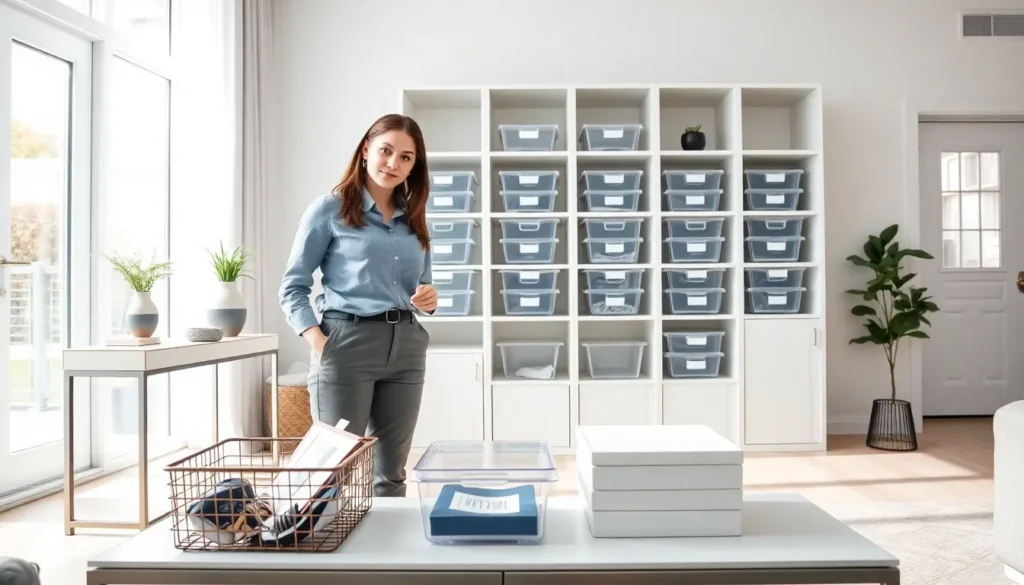
Home organization for beginners doesn’t require a complete lifestyle overhaul. It starts with small, practical steps that anyone can follow. A cluttered space often leads to a cluttered mind, and reclaiming control over your home can reduce stress and save time. This guide breaks down the process into manageable actions. Readers will learn why organization matters, how to tackle one area at a time, and which storage solutions deliver real results. Whether someone is drowning in clutter or simply wants a more functional living space, these strategies provide a clear path forward.
Table of Contents
ToggleKey Takeaways
- Home organization for beginners starts with small, manageable steps—focus on one drawer or shelf before tackling entire rooms.
- Use the four-box method (Keep, Donate, Trash, Relocate) to make quick decisions and avoid overthinking what to keep.
- The 15-minute rule removes pressure by limiting organizing sessions, making the process sustainable over time.
- Invest in practical storage solutions like clear containers, drawer dividers, and vertical organizers only after decluttering.
- Build lasting habits with daily 10-minute resets and the “one in, one out” rule to prevent future clutter.
- An organized home reduces stress, saves time spent searching for lost items, and frees mental energy for what truly matters.
Why Organization Matters for Your Daily Life
An organized home does more than look good on social media. It directly impacts mental health, productivity, and even finances.
Studies show that clutter increases cortisol levels, the stress hormone. People living in disorganized spaces report higher anxiety and difficulty focusing. The visual chaos competes for attention, making it harder to relax or complete tasks.
There’s a practical side too. The average American spends 2.5 days per year searching for lost items. That’s time wasted digging through junk drawers, checking coat pockets, and asking “has anyone seen my keys?” Home organization for beginners solves this problem by giving every item a designated spot.
Financial benefits also add up quickly. Disorganized people often buy duplicates of items they already own but can’t find. They miss bill payments because paperwork gets buried. They waste food because they forget what’s in the pantry.
Beyond these measurable gains, organization creates mental space. When someone isn’t constantly managing chaos, they have energy for things that actually matter, hobbies, relationships, and personal goals.
Start Small With One Room or Area
The biggest mistake beginners make? Trying to organize an entire house in one weekend. This approach leads to burnout and half-finished projects.
Instead, pick one small area. A single drawer. One closet shelf. The bathroom cabinet. Starting small builds momentum and creates visible wins.
Here’s how to choose a starting point:
- High-impact areas first: The entryway, kitchen counter, or nightstand. These spaces affect daily routines, so organizing them produces immediate benefits.
- Quick wins: A messy junk drawer takes 30 minutes to sort. That success motivates larger projects.
- Pain points: What area causes the most frustration? Start there.
Home organization for beginners works best with a 15-minute rule. Set a timer and work on one area for just 15 minutes. This removes the pressure of marathon cleaning sessions and makes the process sustainable.
Once one area is complete, the sense of accomplishment naturally leads to the next project. Before long, that single organized drawer has expanded into an entire room.
The Four-Box Method for Sorting Belongings
Deciding what to keep is the hardest part of home organization for beginners. The four-box method simplifies this decision-making process.
Grab four boxes or bags and label them:
- Keep: Items used regularly or truly loved.
- Donate: Things in good condition that someone else could use.
- Trash: Broken items, expired products, or anything beyond repair.
- Relocate: Belongings that belong in a different room.
The key is speed. Pick up each item and make a decision within 10 seconds. Overthinking leads to keeping things “just in case”, which defeats the purpose.
Some questions help with tough decisions:
- Have I used this in the past year?
- Would I buy this again today?
- Does it serve a clear purpose?
- Do I have multiples of this item?
For sentimental items, consider taking a photo before letting go. The memory stays without the physical clutter.
Once sorting is complete, immediately remove the donate and trash boxes from the home. Letting them sit creates opportunities for second-guessing. Drop donations off the same day if possible.
Essential Storage Solutions That Actually Work
Storage products can’t fix a clutter problem, but the right solutions help maintain organization after decluttering.
Home organization for beginners doesn’t require expensive systems. Start with these practical options:
Clear Containers
Transparent bins let people see contents without opening every box. They work well for pantries, closets, and under-bed storage. Label them for even faster identification.
Drawer Dividers
These simple inserts transform chaotic drawers into functional spaces. They’re essential for kitchens, bathrooms, and offices. Adjustable versions fit various drawer sizes.
Vertical Storage
Most homes waste vertical space. Over-door organizers, wall-mounted shelves, and stackable bins maximize square footage. This matters especially in small apartments.
Basket Systems
Baskets corral loose items on shelves and in closets. They add visual consistency while keeping similar items grouped. Open baskets work for frequently accessed things: lidded versions suit seasonal storage.
Command Hooks and Strips
These damage-free hangers create instant storage on walls, inside cabinet doors, and in awkward spaces. They hold everything from keys to cleaning supplies.
Before buying any storage product, complete the decluttering process first. People often overestimate what they need to store. The goal is fewer possessions, not more containers to hold them.
Building Habits to Maintain Your Organized Home
Organizing once means nothing without systems to maintain it. Home organization for beginners must include habit-building.
The “one in, one out” rule prevents future clutter. Every time something new enters the home, something similar leaves. Buy a new shirt? Donate an old one. This keeps possessions at a manageable level.
Daily resets take just 10 minutes. Before bed, return items to their designated spots. This prevents small messes from becoming overwhelming clutter.
Weekly maintenance schedules distribute tasks throughout the week:
- Monday: Sort mail and paperwork
- Wednesday: Check refrigerator for expired items
- Friday: Return borrowed items and misplaced objects
- Sunday: Plan the week and prep for Monday
The 90/90 rule helps with borderline decisions. If someone hasn’t used an item in 90 days and won’t use it in the next 90, it’s safe to let go.
Involving household members matters too. Assign zones so everyone takes responsibility for specific areas. Kids can manage their toys: partners can handle their personal items. Shared spaces require shared effort.
Patience is essential. Building new habits takes time, research suggests 66 days on average. Slip-ups will happen. The goal isn’t perfection but consistent progress.