Home organization strategies can transform a chaotic living space into a functional, peaceful environment. Many people struggle with clutter and disorganization, often feeling overwhelmed by the sheer volume of belongings they’ve accumulated over time. The good news? Getting organized doesn’t require expensive products or a complete lifestyle overhaul.
Effective home organization strategies focus on practical systems that fit real life. They account for busy schedules, limited space, and the reality that perfect isn’t sustainable. This guide covers proven methods to organize any home, from tackling one room at a time to building habits that keep spaces tidy long-term.
Table of Contents
ToggleKey Takeaways
- Effective home organization strategies work best when you tackle one room and one zone at a time to prevent overwhelm.
- Always declutter before organizing—less stuff means less to manage and maintain.
- Create storage systems that match your natural habits by placing items where you actually use them.
- Use vertical space, labels, and properly sized containers to maximize storage efficiency.
- Build simple daily habits like the “one in, one out” rule and a nightly reset to maintain organized spaces long-term.
- Involve all household members and keep systems simple enough for everyone to follow consistently.
Start With a Room-by-Room Approach
A room-by-room approach prevents overwhelm and creates visible progress quickly. Trying to organize an entire home at once leads to burnout and unfinished projects scattered everywhere.
Pick one room to start. The bedroom, kitchen, or bathroom often work well as first targets because they see daily use. Small wins in these spaces create momentum for bigger challenges like garages or basements.
Within each room, break the work into zones. A kitchen has cabinets, drawers, the pantry, and countertops. A bedroom has the closet, dresser, nightstands, and under-bed storage. Tackle one zone per session rather than the whole room.
Set a timer for 15-30 minutes. This time constraint keeps energy high and decisions sharp. Short bursts of organizing fit into busy schedules better than marathon sessions that drain motivation.
Document the “before” state with photos. These images serve two purposes: they show progress (which feels great) and they reveal patterns. Maybe clutter always piles up on that one chair. Maybe mail accumulates on the counter. Photos highlight problem areas that need better systems.
Home organization strategies work best with focus. One room, one zone, one session at a time.
Declutter Before You Organize
Organizing clutter is pointless. It just creates neater piles of stuff that shouldn’t be there in the first place.
Decluttering must come first. This step involves honest decisions about what stays and what goes. Every item needs to pass a simple test: Is it useful? Is it loved? Does it belong here?
The “four-box method” simplifies sorting. Label boxes or bags as Keep, Donate, Trash, and Relocate. Touch each item once and place it in a box immediately. Hesitation usually means the item should go.
Sentimental items trip people up the most. A helpful strategy: take photos of meaningful objects before letting them go. The memory stays without the physical item taking up space.
Be ruthless with duplicates. Most households have multiple sets of scissors, three can openers, and enough plastic containers to stock a store. Keep the best version and release the rest.
Home organization strategies fail when they skip decluttering. Less stuff means less to organize, less to clean, and less mental weight. The physical act of removing excess items creates breathing room, both in closets and in the mind.
Don’t let discarded items linger. Schedule donation pickup or a trip to the donation center within 48 hours. Bags sitting in the garage have a way of creeping back into the house.
Create Functional Storage Systems
Storage systems should match how people actually live, not how they think they should live.
Start by observing behavior patterns. Where do keys get dropped? Where does mail land? Where do shoes pile up? These “drop zones” reveal natural habits. Smart home organization strategies work with these habits instead of against them.
Place storage where items get used. Cleaning supplies belong near where cleaning happens. Charging cables belong where devices charge. This seems obvious, but many homes store things far from their point of use.
Vertical Space Is Valuable
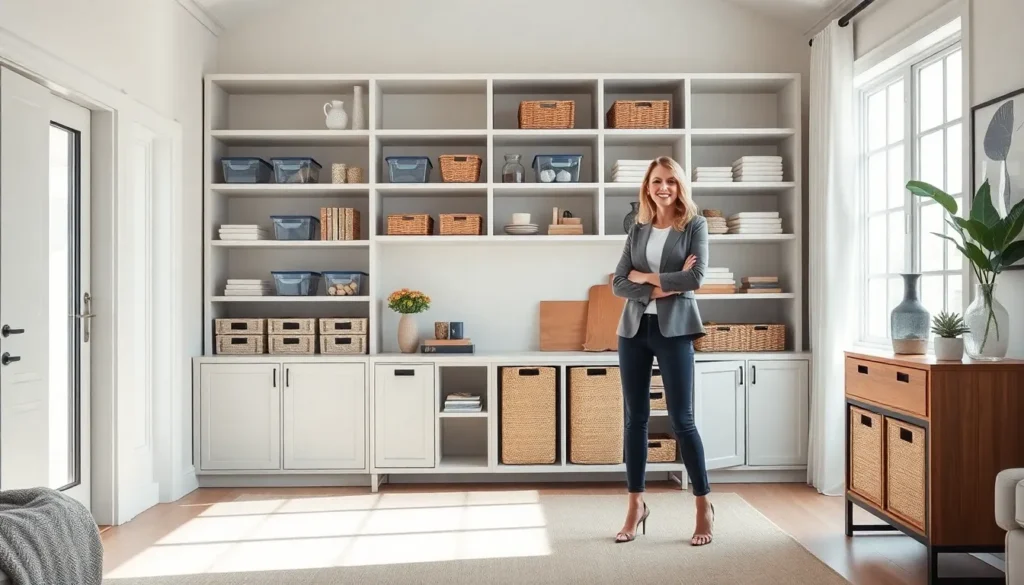
Walls, doors, and cabinet interiors offer untapped storage potential. Over-door organizers hold shoes, cleaning supplies, or pantry items. Wall-mounted hooks handle bags, hats, and jackets. Shelf risers double cabinet capacity instantly.
Containers Need Labels
Opaque bins look clean but hide their contents. Labels solve this problem. They also help other household members find and return items properly. A label maker costs around $20 and pays for itself in saved time and reduced frustration.
Match Container to Content
Don’t buy storage products until decluttering finishes. Measure spaces first. A container that’s too big wastes space: one that’s too small creates overflow. Clear containers work well for items that need quick visual identification.
Home organization strategies succeed when storage feels effortless. If putting something away takes more than a few seconds, the system needs adjustment.
Build Daily Habits to Maintain Order
Organization isn’t a one-time project. It’s an ongoing practice.
Daily habits keep organized spaces from sliding back into chaos. These habits don’t require much time, usually just 10-15 minutes total spread throughout the day.
The “one in, one out” rule prevents accumulation. When something new enters the home, something old leaves. This applies to clothes, books, kitchen gadgets, and toys. It’s simple math that keeps belongings at a manageable level.
A nightly reset takes five minutes and makes mornings easier. This involves returning items to their homes, clearing flat surfaces, and doing a quick walkthrough of main living areas. Going to bed in a tidy space feels better than waking up to yesterday’s mess.
Assign homes for every item. “Where does this go?” should never be a question. When everything has a designated spot, putting things away becomes automatic rather than a decision.
Home organization strategies stick when they become routine. The first few weeks require conscious effort. After about 30 days, these habits feel normal.
Involve all household members. Organization systems work only when everyone participates. Keep systems simple enough for kids to follow. Post visual reminders if needed. Shared responsibility distributes the workload fairly.